Keeping kids engaged at home can sometimes feel like a challenge, especially when parents are balancing busy schedules, household responsibilities, and everyday routines. The good news is that learning does not have to feel like schoolwork. Some of the best educational moments happen through play, creativity, movement, and simple hands-on activities using items you may already have around the house.
Children learn best when they are curious, relaxed, and having fun. Whether your child is a baby, toddler, preschooler, or school-age kid, there are plenty of ways to encourage learning at home without making the day feel overly structured. From sensory play and reading games to simple science projects and creative art activities, home can become a fun and inspiring place for discovery.
Here are some fun learning activities for kids at home that support creativity, problem-solving, early development, and family bonding.
A cozy reading corner is one of the easiest ways to encourage a love for books. You do not need a large space to make it special. A soft blanket, a few pillows, a small basket of books, and good lighting can turn any quiet corner into a reading nook.
For younger children, choose board books, picture books, and stories with bright illustrations. For older kids, include early readers, chapter books, activity books, or magazines made for children. Let kids pick their own books so they feel excited and involved.
To make reading more interactive, ask questions during the story. For example, you can ask, “What do you think will happen next?” or “How do you think this character feels?” These simple questions help children build comprehension, imagination, and emotional awareness.
You can also act out stories together. Use funny voices, hand motions, or stuffed animals as characters. When reading feels playful, kids are more likely to see books as something enjoyable instead of a task.
The kitchen is full of learning opportunities. Cooking and baking teach kids about measuring, counting, following directions, patience, and even science. Children can help pour ingredients, stir batter, count fruit pieces, wash vegetables, or decorate snacks.
For younger kids, try simple tasks like sorting fruits by color or counting crackers onto a plate. Preschoolers can practice pouring, mixing, and naming ingredients. Older children can help read recipes, measure cups and teaspoons, or compare temperatures.
A fun activity is making “shape snacks.” Use cookie cutters to create sandwich shapes, fruit shapes, or cheese shapes. Talk about circles, stars, squares, and triangles as you prepare the food together.
You can also create a taste test game. Offer small samples of sweet, salty, sour, and crunchy foods, then let your child describe each one. This helps build vocabulary, observation skills, and sensory awareness.
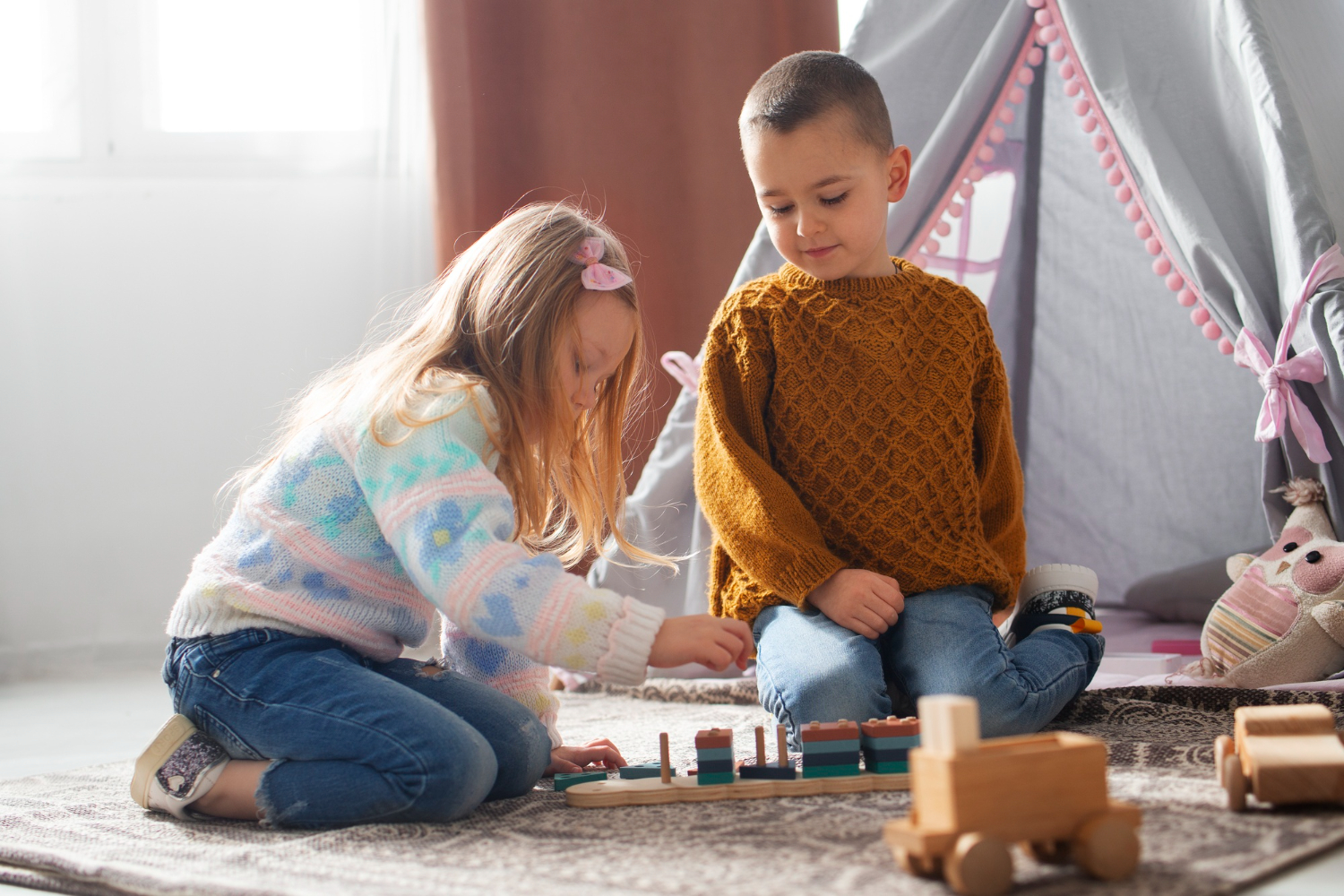
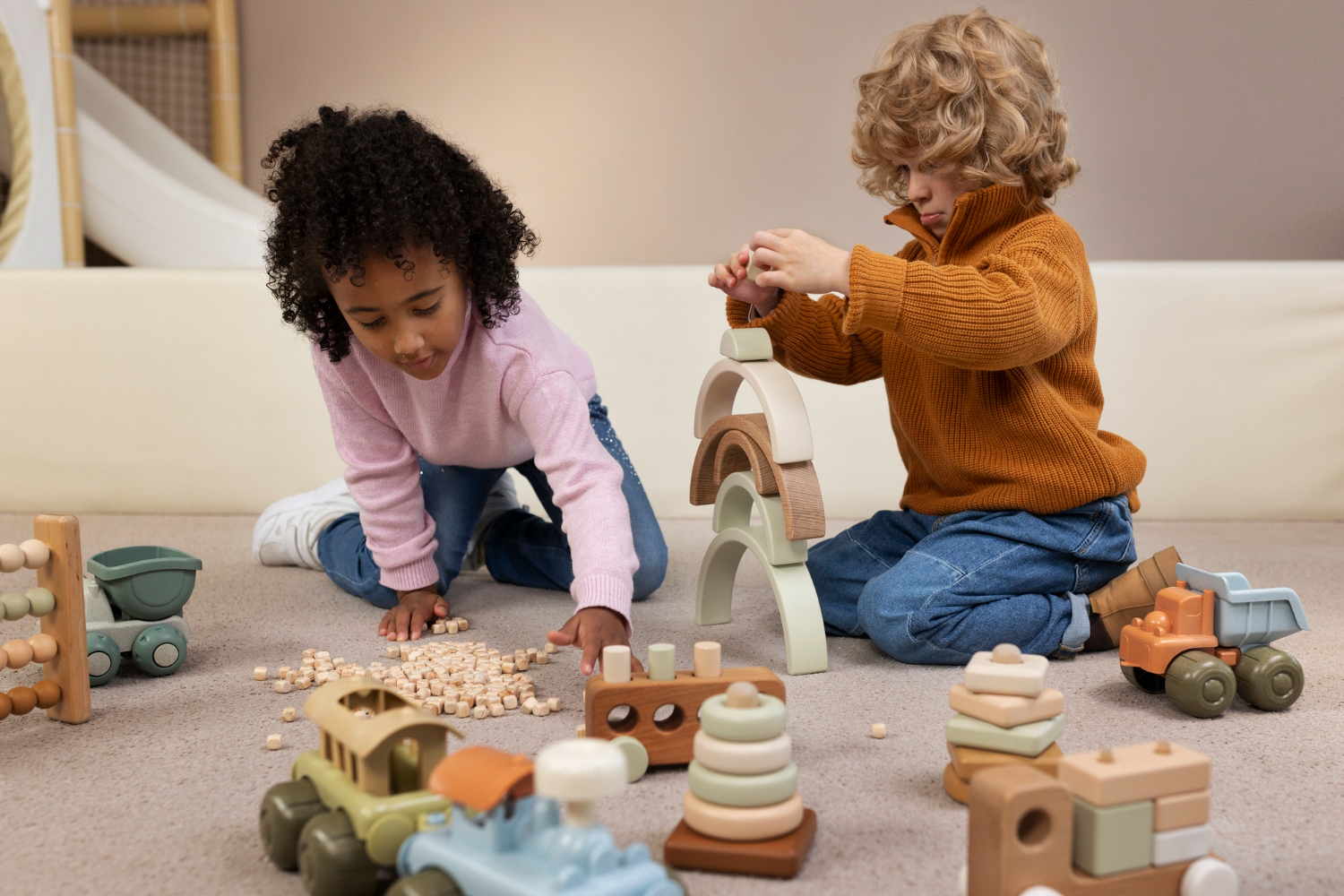
Building activities are excellent for developing problem-solving, coordination, patience, and early math skills. Kids can use blocks, plastic cups, cardboard boxes, food containers, or building toys to create towers, bridges, houses, or imaginary cities.
Challenge your child to build the tallest tower they can. Then ask questions like, “Why do you think it fell?” or “How can we make it stronger?” This encourages critical thinking and experimentation.
You can also turn building into a counting activity. Ask your child to use ten blocks, sort them by color, or make a pattern such as red-blue-red-blue. Older kids can design a small town and label different areas, such as a park, school, store, or home.
The best part about building activities is that there is no single right answer. Children get to explore, test ideas, make mistakes, and try again.
Sensory play helps children explore the world through touch, sight, sound, and movement. It is especially helpful for toddlers and preschoolers, but older kids can enjoy it too.
You can create a simple sensory bin using dry rice, pasta, beans, cotton balls, water beads, or shredded paper. Add scoops, cups, toy animals, small cars, or plastic letters. Let your child pour, scoop, search, and sort.
For a themed sensory bin, try an ocean bin with blue paper, shells, and toy sea animals, or a farm bin with dry oats and small farm figures. You can also hide letters or numbers inside the bin and ask your child to find them.
Sensory play helps strengthen fine motor skills and supports language development. As kids play, describe what they are doing: “You are scooping the rice,” “That shell feels smooth,” or “You found the letter B.” These simple conversations help children connect words to experiences.
An indoor scavenger hunt is a great way to get kids moving while practicing observation and problem-solving. You can make the hunt as easy or challenging as needed depending on your child’s age.
For younger children, ask them to find something red, something soft, something round, or something that makes noise. For older kids, create written clues or riddles. For example, “I keep your food cold” leads them to the refrigerator.
You can also make a learning-themed scavenger hunt. Ask kids to find three items that start with the letter M, five objects shaped like circles, or something heavier than a book.
Scavenger hunts work well because they combine movement, thinking, and excitement. They can also be repeated with different themes, such as colors, numbers, letters, textures, or household items.
Art is more than just coloring. It helps children express feelings, develop creativity, strengthen hand muscles, and practice decision-making. Simple supplies like crayons, washable markers, paper, glue, child-safe scissors, stickers, and recycled materials can lead to hours of creative learning.
Try giving your child a theme, such as “my dream playground,” “a silly animal,” or “a house in space.” After they finish, ask them to tell you about their artwork. This builds storytelling and communication skills.
You can also use art to teach letters, numbers, and shapes. Have your child decorate a giant letter of the day, make animals from shapes, or create a counting collage with stickers.
Another fun idea is recycled art. Use paper towel rolls, cereal boxes, bottle caps, and scrap paper to build robots, castles, cars, or animals. This teaches creativity while showing kids how everyday items can be reused.
Science at home does not need to be complicated. Kids are naturally curious, and simple experiments can help them learn how to ask questions, make predictions, and observe results.
One classic activity is the sink-or-float experiment. Fill a bowl with water and gather small household items like a spoon, toy, leaf, rock, sponge, or plastic lid. Before placing each item in the water, ask your child to guess whether it will sink or float.
Another simple experiment is mixing baking soda and vinegar. Place baking soda in a bowl or tray, then let your child add vinegar with a spoon or dropper. Watch the fizzing reaction together and talk about what happens.
You can also grow seeds in a small cup with soil or a damp paper towel. Let your child check the seed each day and draw what they see. This teaches patience, responsibility, and early science observation.
Learning letters and words can be fun when it feels like a game. Instead of using only worksheets, try hands-on activities that help kids recognize letters naturally.
You can write letters on sticky notes and place them around the room. Call out a letter and let your child run to find it. You can also use magnetic letters, letter blocks, or homemade flashcards.
For a simple word game, choose a letter of the day and look for items around the house that start with that letter. If the letter is B, you might find a ball, book, blanket, or banana.
Older kids can create their own mini books. Fold paper into a booklet and let them write or draw a simple story. Even if they are still learning to spell, encourage their effort and creativity.
Music is a wonderful way to support learning at home. Songs help children remember words, patterns, numbers, and routines. Movement also helps kids release energy and improve coordination.
Have a dance party with counting games. Pause the music and ask your child to freeze, jump five times, spin once, or clap a rhythm. You can also sing alphabet songs, counting songs, or clean-up songs.
Homemade instruments are another fun idea. Use pots and spoons as drums, fill containers with rice to make shakers, or tap rhythms on the table. Ask your child to copy a beat or create their own.
Music and movement are especially helpful for active kids who learn best when their bodies are involved.
Pretend play helps children develop imagination, language, social skills, and emotional understanding. At home, kids can pretend to run a store, cook in a restaurant, care for stuffed animals, build a school, or go on an adventure.
Set up a pretend grocery store with pantry items and play money. Kids can count items, sort food, practice polite conversation, and learn basic math. A pretend doctor’s office can help children learn about caring for others. A pretend post office can include drawing pictures, writing notes, and delivering mail around the house.
Pretend play gives kids a safe space to explore real-world situations in a fun and creative way. 11. Make Everyday Chores Educational
Even regular household chores can become learning activities. Sorting laundry teaches colors, matching, and organization. Setting the table teaches counting and responsibility. Cleaning up toys teaches sorting and following directions.
You can ask questions like, “How many socks do we have?” or “Can you put all the blue toys in this basket?” These small moments turn daily routines into learning opportunities.
Kids also feel proud when they help. Giving them age-appropriate tasks builds confidence and independence.
Final Thoughts
Fun learning activities for kids at home do not have to be expensive, complicated, or perfectly planned. The most meaningful activities are often simple moments that encourage curiosity, creativity, and connection.
By reading together, building, cooking, creating art, exploring science, moving to music, and playing pretend, children can learn valuable skills while enjoying quality time at home. Every activity is a chance to ask questions, discover something new, and make learning feel exciting.
When kids see that learning can happen anywhere, they become more confident, curious, and eager to explore the world around them.